

Ubisoft’s long-standing relationship with Nintendo continues to deliver notable technical innovations. As one of the earliest and most committed third-party supporters of the original Nintendo Switch, Ubisoft has maintained close ties with Nintendo through projects like Mario + Rabbids Kingdom Battle and Mario + Rabbids: Sparks of Hope. That collaboration has now carried over to the Nintendo Switch 2, where Ubisoft has successfully brought some of its most technically demanding titles, including Star Wars: Outlaws and Assassin’s Creed Shadows, to the new hybrid console.
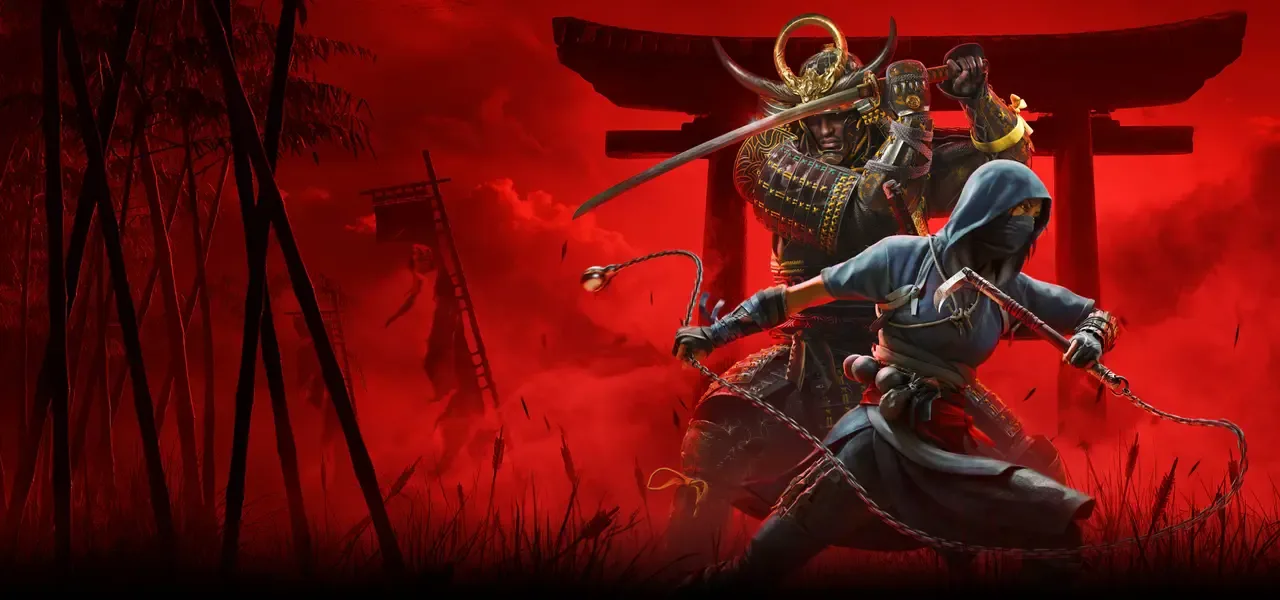
With the recent launch of Assassin’s Creed Shadows on Nintendo Switch 2, Ubisoft revealed an unexpected technical achievement: enabling Variable Refresh Rate (VRR) in a game locked at 30 frames per second. Normally, the Switch 2’s VRR functionality only operates at refresh rates of 40Hz and above, making 30 FPS titles incompatible with the feature under standard conditions. Despite this limitation, Shadows maintains VRR in handheld mode, resulting in smoother motion and improved frame pacing.
In an interview with FRVR, Ubisoft explained how this workaround functions. The same frame is effectively displayed twice during a single refresh cycle—once midway through the frame and once again at the end. By doing so, the console outputs at a 60Hz interval while the game itself remains locked at 30 FPS. This technique allows VRR to stay active, reducing perceived stutter without altering performance targets. Ubisoft confirmed that Star Wars: Outlaws uses the same method on Switch 2.
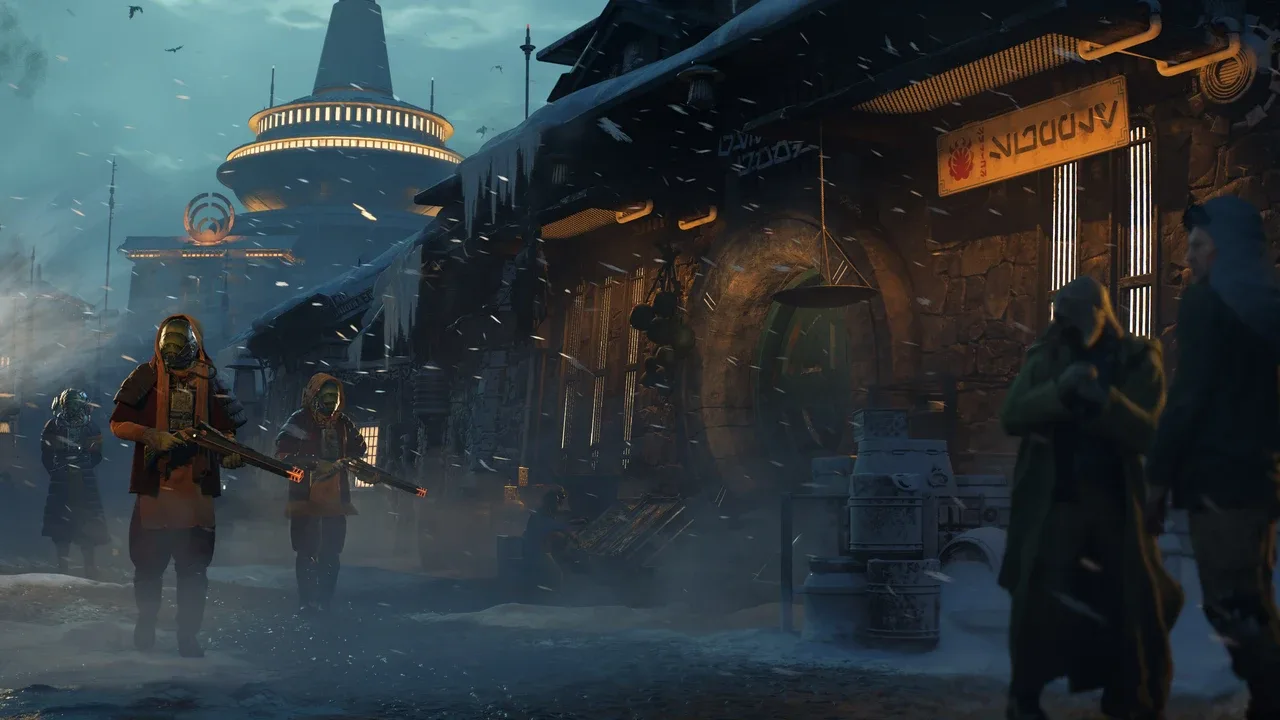
Ubisoft also disclosed that it is currently working with Nintendo to explore the possibility of applying this custom VRR solution at the system level. If implemented, this could benefit a wide range of Nintendo Switch 2 games, particularly those designed around cinematic 30 FPS performance. While no timeframe has been shared, the collaboration suggests that Nintendo is open to expanding VRR functionality beyond its current technical constraints.
The company further noted that this VRR workaround has now become a standard feature of Ubisoft’s proprietary Anvil Engine. As a result, future Anvil-powered games released on Nintendo Switch 2 will automatically support this smoother presentation method. Upcoming titles rumored to use the engine include Prince of Persia: The Sands of Time Remake, potentially launching in January 2026, and Assassin’s Creed IV: Black Flag Resynced, expected around March 2026.
Overall, Ubisoft’s approach highlights how close cooperation between developers and hardware manufacturers can unlock features that go beyond official specifications. For Nintendo Switch 2 owners, this innovation could translate into smoother handheld gameplay, more stable visuals at 30 FPS, and stronger support for ambitious third-party titles in the years ahead.